Experienced Iowa Therapist
While seeking a reputable Iowa psychologist, you'll discover caring, evidence-based care customized for your needs. A experienced psychologist assists you navigate stress, anxiety, and life transitions using established techniques like therapeutic dialogue and mindfulness. You'll partner to create attainable targets, strengthen coping skills, and foster resilience in a safe, nonjudgmental setting. Taking the first step shows real strength-and as you progress, you'll discover how specialized care can enhance your mental wellness journey.
Important Highlights
- Check that the mental health professional is licensed in Iowa and maintains professional qualifications matching your particular mental health needs.
- Pick a therapist who exhibits empathy and maintains a safe, nonjudgmental space for honest discussion.
- Assess suitability by examining therapeutic approaches, expertise, and cultural sensitivity to guarantee your needs and preferences are respected.
- Look at ratings or set up a discovery call to gauge credibility and rapport ahead of booking future meetings.
- Emphasize maintaining lasting interaction and developing a robust therapeutic relationship to enhance sustained mental wellness and self development.
Discovering the Function of a Mental Health Professional
What exactly does a psychologist do in Iowa, and how can they support your mental well-being? These mental health professionals analyze your cognitive patterns, emotional responses, and behavioral tendencies to help you gain self-awareness. Using evidence-based therapeutic techniques, they guide you in building emotional resilience-the ability to adapt to stress, adversity, or trauma. Iowa psychologists work alongside you to create individualized objectives, build effective coping mechanisms, and promote personal development. Using research-based methods, they customize their approach, combining talk therapy, cognitive-behavioral strategies, and mindfulness training. Their support goes far beyond passive listening, as they actively guide you toward transformative life changes. With both compassion and professional knowledge, they establish an environment conducive to strengthening your mental health and personal growth.
Key Reasons for Seeking Psychological Help
It's common to seek help from a psychologist when you're experiencing anxiety, stress, or depression. People typically opt to get professional help during significant life transitions, for example experiencing a loss or beginning a new job. Studies demonstrate that psychological assistance can help you develop practical coping techniques and boost your emotional wellness.
Handling Stress and Anxiety
It's hardly unexpected that anxiety and stress have become among the primary motivations many search for psychological support in modern times. In this hectic world, you might find it challenging to cope with persistent worries and ongoing anxiety. Working with a qualified therapist, you'll learn research-backed approaches such as stress-reduction tools and mindfulness strategies. These techniques allow you to remain focused on the moment, release muscle tension, and interrupt cycles of anxious thinking. Mindfulness practices, like mindful breathing and physical observation, enable you to notice your thinking without criticism. Calming techniques, including guided visualization or muscle relaxation, can alleviate tension and enhance coping ability. With gentle assistance, you'll develop skills to manage stress more effectively and create a healthier balance in your day-to-day activities.
Understanding Depression
While anxiety and stress often lead many to reach out for support, depression continues to be one of the main reasons people turn to psychological support. If you're struggling with persistent sadness, decreased motivation, or fatigue, know that others share your experience-and you don't have to face it without help. Evidence shows that combining therapeutic approaches, such as CBT and mindfulness practices, proves beneficial for addressing depressive symptoms. A psychologist can guide you in developing practical coping skills, developing self-understanding, and building emotional strength. When appropriate, medication management may also be recommended to help your progress, making certain you receive thorough care tailored to your needs. Reaching out is a courageous first step toward recovering and regaining your balance. Compassionate help is available.
Handling Life's Transitions
Though life naturally involves change, navigating significant changes-such as beginning a new job, going through divorce, entering parenthood, or moving-can be challenging and unsettling. You might find yourself struggling with worry, uncertainty, or sadness as you navigate new situations. Psychological support can help you handle these emotions, discover your inner resources, and develop emotional strength. Research indicates that collaborating with check here a qualified therapist helps you create customized strategies for your specific needs. You'll gain insights that encourage personal evolution, helping you move forward with strength and adaptability. By seeking support during life transitions, you're prioritizing your mental health and establishing a firm ground to navigate future changes, both anticipated and unforeseen.
Your First Session: What to Expect
At your first appointment, your mental health professional will guide you through an thorough assessment to learn more about your history and challenges. You'll work together to pinpoint your main challenges and begin setting realistic, attainable therapy goals. This collaborative approach ensures your treatment is tailored to your individual requirements and goals.
Assessment Process Overview
What can you anticipate when you attend your first session with an Iowa psychologist? During the initial assessment consultation, your psychologist will focus on understanding your personal background and current challenges. You'll discuss your background, mental health background, and any problems you're dealing with. The psychologist might ask about stressors, social interactions, and ways of handling stress. This insight helps them choose evidence-based therapeutic approaches tailored to your specific situation.
We offer a safe, respectful environment where you're encouraged to speak openly. Confidentiality protocols are strictly followed, so you can trust that your personal information remains private. This first session establishes the foundation for your therapeutic relationship, ensuring you feel heard and understood. It's a collaborative process focused on developing a customized treatment plan.
Defining Your Therapy Targets
After your psychologist has collected preliminary information, you'll begin partnering to set specific, attainable therapy goals. In this consultation, you'll talk about what you hope to accomplish, whether it's better emotional control, coping with anxiety, or developing healthier relationships. Your psychologist will guide you in pinpointing priorities and dividing them into manageable steps. Research shows that establishing clear objectives increases motivation and helps monitor your progress throughout therapy.
You may investigate mindfulness methods as part of your objectives, learning ways to remain mindful and react mindfully to challenging emotions. Your psychologist will make sure your goals are attainable and aligned with your values. This partnership approach enables you to take an engaged role in your therapy, making each session productive and directed toward meaningful change.
Benefits of Compassionate Counseling
What role does compassionate counseling play in your mental health journey? Research indicates that when you feel truly understood and supported, you're more capable of build emotional resilience-an essential skill for handling life's challenges. Compassionate counseling provides a supportive, nonjudgmental environment where you can explore your thoughts and feelings freely. This approach helps you cultivate greater self awareness, empowering you to understand patterns, triggers, and strengths within yourself. As your self understanding expands, you'll find it more manageable to cope with stress, work through difficult emotions, and make healthier decisions. Compassionate support also lessens feelings of isolation, reminding you that you're not alone in your struggles. In the end, this approach fosters lasting growth, healing, and a stronger sense of wellness throughout your mental health journey.
Finding the Right Iowa Therapist for Yourself
As you start your search for a mental health professional in Iowa, it's important to concentrate on finding someone who fits your specific needs and values. Begin by examining therapist credentials-ensure they're certified in Iowa and maintain focused training aligned with your issues, whether it's anxiety, trauma, or relationship issues. Feel free to ask about their experience and therapeutic approaches; studies indicate that a strong therapeutic alliance is vital for effective outcomes.
Cultural awareness plays a vital role. You need a psychologist who respects your background, beliefs, and identity. Look for professionals who focus on inclusivity and exhibit understanding of diverse experiences. Checking reviews or booking an initial meeting can help you assess whether a psychologist's approach and principles complement yours, strengthening your trust and ease as you move forward.
Taking the First Step Toward Better Mental Health
Once you've identified a psychologist in Iowa who aligns with your requirements, taking that first step can feel intimidating. You're not alone-lots of clients feel hesitant before their first appointment. Consider that reaching out for assistance is a powerful step, not weakness. Research indicates that prompt connection with mental health professionals produces better outcomes. As you plan, explore using mindfulness techniques to stay centered and handle anxiety. Calming breath work or brief mindfulness sessions can help you keep centered. You might also benefit from self care strategies, such as maintaining regular sleep, eating nourishing meals, and scheduling time for activities you enjoy. By taking these steps, you're building a solid base for your mental health journey with your chosen psychologist.
Questions & Answers
Will Insurance Pay for Psychologist Services in Iowa
When seeking psychologist services in Iowa, you should know that many insurance plans provide benefits for mental health care. It's crucial to check with your specific insurance provider, since coverage details, copays, and in-network providers can vary. Be sure to contact your psychologist's office for assistance-they're familiar with managing insurance matters. Prioritizing your mental health is vital, and being aware of your benefits can make mental health support more attainable and cost-effective for you.
How Can I Validate a Psychologist's Credentials in Iowa?
To verify a psychologist's credentials in Iowa, first checking the Iowa Board of Psychology's online license database. This system allows you to confirm credential verification and ensures the psychologist meets all professional standards. You can also inquire with the psychologist directly about their academic background, credentials, and background. Don't hesitate to reach out to the licensing board if you have doubts. Following these measures helps you feel confident about receiving professional and ethical care.
Can I Change My Psychologist if I Don't Feel Comfortable?
Research shows about 50% of therapy clients consider changing providers during their journey due to concerns about therapeutic fit? When you don't feel at ease with your therapist, you can definitely find someone new. Your sense of security are vital for meaningful progress. Don't hesitate to discuss your feelings or find another provider who better aligns with your needs. Ensuring a good therapeutic fit is a practical, proven step toward achieving your mental health goals and well-being.
Are Telehealth Services Available From Iowa Psychologists?
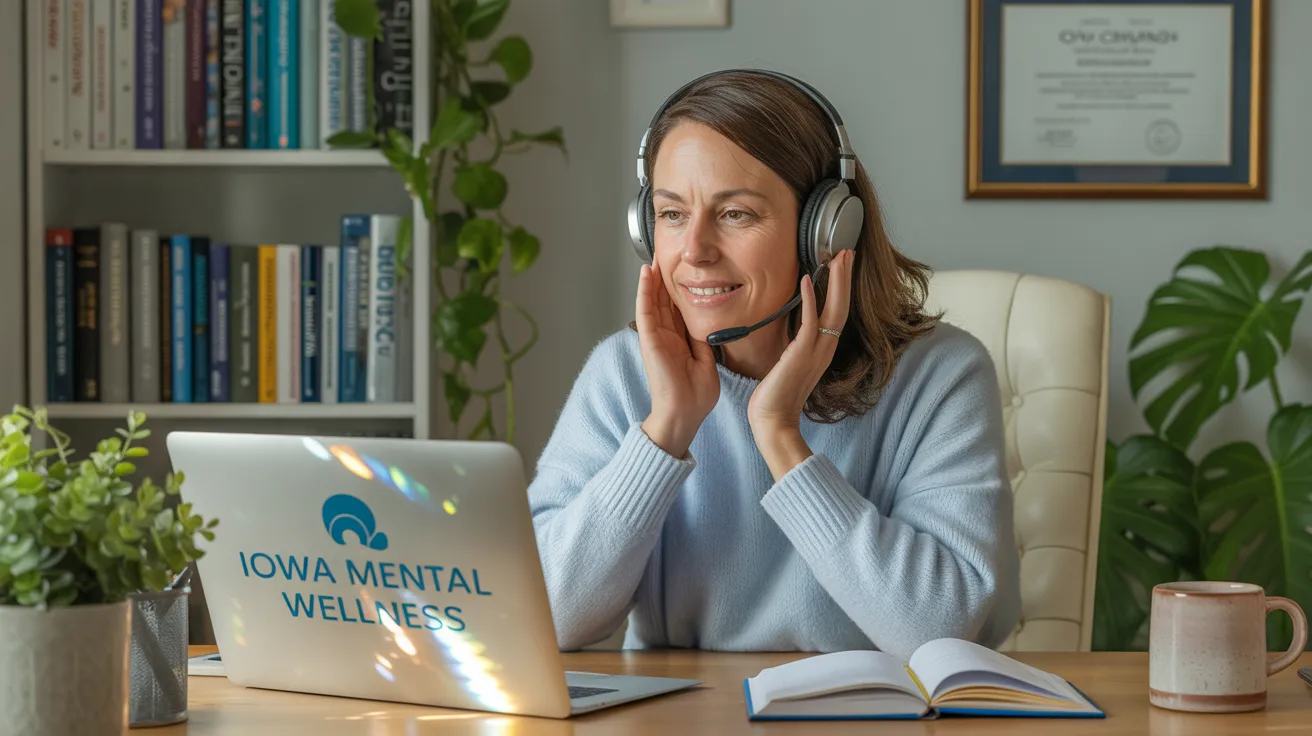
Yes, you can access virtual therapy sessions with Iowa psychologists. Remote healthcare access has increased, allowing to access mental health services from home. Many psychologists provide confidential virtual consultations, ensuring your privacy and security. Research indicates online counseling proves to be as successful as in-person therapy, so you don't have to compromise regarding treatment. If you're interested, check with practitioners about their telehealth capabilities and privacy safeguards.
What's the Timeline for Scheduling a Psychologist Appointment?
In moments of difficulty, help is within reach-appointment scheduling with a psychologist is often quicker than you'd expect. You can often secure a first consultation in under a week, and sometimes earlier slots are available, subject to scheduling. The recommended approach is to make direct contact and share your concerns; therapists acknowledge the need for swift assistance and work to provide timely care. This is a significant move toward wellness and recovery.
Final Thoughts
Making the initial move toward psychological well-being might feel intimidating, but you're not alone on this journey. A qualified Iowa counselor can be your guide on the path to wellness, offering proven therapeutic approaches and sincere care. With the right counselor, you'll learn techniques to handle life's obstacles and build inner strength. Don't hesitate-asking for support demonstrates wisdom, and it marks the start of your journey to wellness.